Bake Breads to Escape Kitchen Stations Guide
Dough, cut/prep, oven belt, and sell counter—keep every stage hot and diagnose idle time fast.
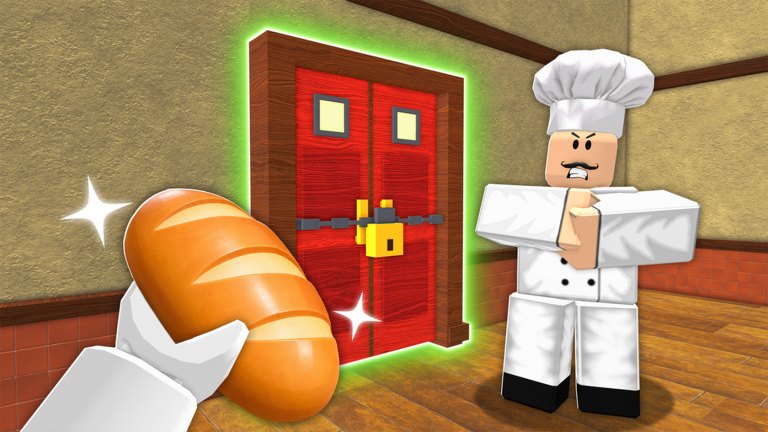
Chef Crumb’s kitchen in Bake Breads to Escape is a four-stage line. If you understand dough, cut/prep, the oven belt, and the sell counter, every other system—pets, upgrades, shifts, escape—slots into place. This guide explains what each station owns, how to diagnose idle time, and how co-op teams should claim ownership without colliding.
New bakers: skim Getting Started first. Prompt and movement basics sit in Controls. Escape quota strategy is in How to Escape. Pet helpers are covered in Pets Guide, cash sinks in Upgrades Guide, and human roles in Players plus Co-op Roles.
The line in one sentence
Grab dough → cut/prep it → send it down the oven belt → sell fresh bread → spend cash (and later buy freedom).
Everything fancy is a way to keep that sentence from stalling. An idle station is a leak. Two people fighting over one station while another sits empty is a bigger leak.
Station 1 — Dough pickup
The dough station is the start of every batch. Your job here is simple: keep raw dough entering the pipeline so cut/prep never starves.
Healthy signs
- Someone (you or a pet) is ferrying dough whenever the prep board looks empty.
- Backpack or carry upgrades make each trip meaningful instead of one crumb at a time.
Failure signs
- Cut/prep players standing around with nothing to portion.
- Oven belt empty because prep never received dough.
- You over-focus on selling while the front of the line goes dry.
Spend lens: if dough trips dominate your walk time, prioritize backpack / carry style upgrades before flashy late machines. Exact prices change with patches—read the live shop (Upgrades Guide).
Pet lens: Dough Pup thematically belongs near early-line help. Confirm tooltip text in-client; this wiki does not invent percentage buffs.
Station 2 — Cut / prep
Cutting and prep turn raw dough into oven-ready portions. This is where tool upgrades shine and where beginners often create fake busyness—chopping forever while the oven waits.
Healthy signs
- Prepared dough arrives at the belt in a steady cadence.
- Your tools feel like they remove waiting, not like a vanity purchase.
Failure signs
- Piles of uncut dough beside an empty belt.
- Over-prepping while finished bread rots at the counter.
- Co-op cutters stacking on the same board while dough pickup is abandoned.
Spend lens: when cut speed is the bottleneck, tools and prep surfaces climb the priority list. When the belt is already full, more cut speed is ego spending.
Station 3 — Oven belt
The oven belt is the dramatic middle of the fantasy. Prepared dough becomes bake-ready bread. On harder shifts (Overtime, Night, Holiday Rush—see Shifts Guide), oven mistakes snowball fastest.
Healthy signs
- The belt stays fed without giant gaps.
- You are not AFK staring at heat while the counter overflows or dough dries up.
Failure signs
- Long empty stretches on the belt while prep is busy elsewhere.
- Panic micromanagement that abandons selling for too long.
- Ignoring pet help that could stabilize heat while you cover another gap.
Pet lens: Oven Dragon is the named heat-side companion in the official trio. Slot it when oven downtime is your clearest leak, then re-check after each UPD.
Escape lens: quota progress dies when the oven starves. Escape planning always asks whether heat is fed before you celebrate a big sell burst (How to Escape).
Station 4 — Sell counter
The counter turns bread into cash. Cash buys upgrades and eventually funds the freedom fantasy. Selling is not optional flavor—it is the conversion step that makes the rest of the line matter.
Healthy signs
- Finished bread does not sit unsold while you chase one more dough trip.
- You announce (in co-op) when cash hits a planned upgrade breakpoint.
Failure signs
- Mountains of bread and a still-empty wallet feeling.
- Seller AFK while claiming they are “waiting for better trays.”
- Spending chaos with no station goal.
Pet lens: Cocoa Cat often plays as the flexible helper in community talk—verify live tooltips before you treat any pet as a pure seller. Flexible pets shine when you need coverage across sell and prep gaps.
Idle diagnosis (solo or co-op)
After every short burst, ask: which stage waited on another?
| Symptom | Likely idle owner | First response |
|---|---|---|
| Prep empty, belt empty | Dough | Ferry dough; check carry upgrades / Dough Pup |
| Raw dough piled, belt empty | Cut/prep | Cut faster; tool upgrades; stop overselling |
| Prep full, belt gaping | Oven | Watch heat; Oven Dragon; stop double-stacking cut |
| Bread stacked, cash low | Sell | Man the counter; table/counter upgrades |
| Everything “busy” but quota stalls | Role collision | Reassign humans; see Co-op Roles |
Do not upgrade randomly when idle diagnosis already named the leak.
Co-op station ownership
With up to three friends (four bakers total in the co-op fantasy), assign exclusive owners before the shift:
- One dough + cut lead (or split dough vs cut in a four-stack).
- One oven watcher.
- One seller.
- Optional floater who only jumps to the current idle station.
Rules that prevent kitchen fights:
- Call the bottleneck out loud (“dough dry,” “oven stacking,” “counter backed up”).
- Do not steal a teammate’s station mid-combo without asking.
- Pets should reinforce the assigned station, not all stack on the same vanity pet.
- After an UPD, reconfirm tooltips and shop prices before arguing about old priorities (Updates).
Solo players still use ownership mentally: you are four roles in one body. Rotate to the idle stage instead of camping your favorite.
How upgrades and pets attach to stations
- Tools → cut/prep feel.
- Backpack / carry → dough and bread ferry efficiency.
- Table / counter → staging and sell comfort.
- Pets → automated help on the stages you cannot stand beside forever.
- Classes → perk spice after the line is understood; verify text in-client.
Relative rankings belong on the Tier List once you have samples. Station thinking comes first.
Shift pressure and stations
Day teaches clean ownership. Overtime and Night punish gaps sooner. Holiday Rush turns a single empty station into a cascade. If Holiday Rush bricks you, drop difficulty, fix the idle stage, then climb again (Shifts Guide).
Mini checklist before you queue
- Can you name your current bottleneck in one word (dough, cut, oven, sell)?
- Is at least one pet covering a stage you leave often?
- Do co-op friends know who owns oven vs counter?
- Have you claimed daily and playtime gems so the session is not only cash-blind?
- Are you reading live shop text after the latest
[UPD]instead of memorized prices?
Related reading
- Controls — prompts and recovery.
- Pets Guide and Pets Tier.
- Upgrades Guide and Upgrade Priority.
- How to Escape.
- Players and Co-op Roles.
- Guides Hub.
Keep every station hot, and Chef Crumb’s quota becomes a routing problem you can solve—not a mystery door.
Frequently Asked Questions
Quick answers for bakers chasing Chef Crumb's quota.
What are the main kitchen stations in Bake Breads to Escape?
Dough pickup, cut/prep, the oven belt, and the sell counter. The core loop moves work through those four stages into cash and escape progress.
How do I know which station is idling?
Watch what is waiting: empty prep means dough is dry; piled raw dough with an empty belt means cut is behind; belt gaps mean oven coverage failed; stacked bread means sell is neglected.
How should co-op teams assign stations?
Give exclusive owners to dough/cut, oven, and sell, plus a floater if you have a fourth. Call bottlenecks out loud and avoid stacking two humans on one board.
Which pets match which stations?
Dough Pup fits early-line help, Oven Dragon fits heat, and Cocoa Cat is often treated as flexible—always verify live tooltips instead of assuming fixed percentages.